Kitchen Ventilation During Cooking: A Practical Guide
October 18, 2025
Cooking
Ventilation
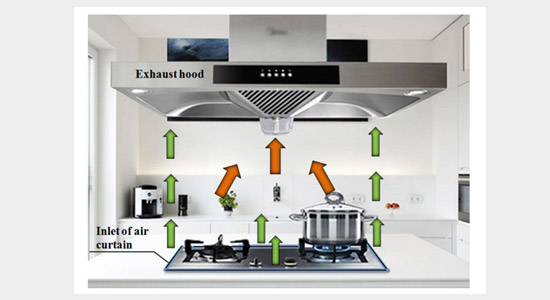
Cooking is the #1 source of indoor particulate pollution. Frying a single burger can release more PM2.5 particles than running a diesel truck in your living room. If you don't ventilate properly, that grease and smoke settles on your walls, your furniture, and in your lungs.
1. The "Pre-Heat" Rule
Most people turn the fan on after they see smoke. That is too late.
- Action: Turn your range hood on 5 minutes before you start cooking.
- Why: This establishes an upward air current (draft) around the stove. When steam and smoke rise, they get caught in this existing stream rather than drifting into the room.
2. Use the Back Burners
Range hoods work best when they cover the pot completely.
- Physics: Most hoods don't extend all the way over the front burners.
- Strategy: Do your heavy searing, frying, or boiling on the back burners. Use the front burners for low-emission tasks like simmering sauces. This increases capture efficiency by up to 50%.
3. Vented vs. Recirculating
Check your cabinet above the stove.
- Vented (Good): A duct pipe goes through the wall/roof. It physically removes humidity and pollutants.
- Recirculating (Okay): Air goes through a filter and blows back into the kitchen. These remove grease (if the filter is clean) but do not remove moisture, CO2, or gas fumes. You must open a window when using these.
4. The "Post-Cook" Run Time
Pollutants linger even after the stove is off.
- Action: Leave the hood running on low speed for 10–15 minutes after you finish cooking.
- Tip: Many modern hoods have a timer button for exactly this reason. Use it.
5. Maintenance Is Not Optional
A grease-choked filter is a fire hazard and blocks airflow.
- Metal Mesh Filters: Put them in the dishwasher once a month. Hot water melts the grease.
- Charcoal Filters: These cannot be cleaned. Replace them every 3–6 months if you cook daily. If you smell yesterday's fish, the charcoal is dead.
Summary
Your range hood is a safety device, not just a noise maker. Use it every time, start it early, and keep the filters clean.